
- We offer certified developers to hire.
- We’ve performed 1500+ Web/App/eCommerce projects.
- Our clientele is 1000+.
- Free quotation on your project.
- We sign NDA for the security of your projects.
- Three months warranty on code developed by us.
When drivers pull up to a charging station, they expect the process to feel as easy as fueling up a gas car. Plugging in is usually simple. Paying for that charge can determine whether the stop feels quick or takes longer than expected.
The right payment features can make a routine stop easier and more convenient. Reliable card readers, simple payment steps, and dependable connectivity all contribute to a smoother experience. For charging operators, the right system can also simplify transaction tracking, billing, and payment management across multiple charging locations.
So, what actually makes a payment system work well for EV charging? Let’s explore the features that matter most.
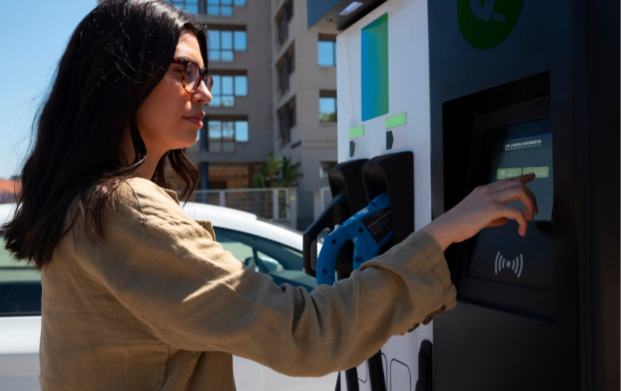
Drivers have different habits when it comes to paying. Some like tapping a credit card, while others prefer using a phone with Apple Pay or Google Wallet. A growing number simply scan a QR code instead.
Cashless EV charger payment terminals, such as those offered by Nayax, are built to accept many payment types at once, including debit and credit cards, EMV chip and contactless cards, mobile wallets, QR codes, and prepaid cards. This variety gives drivers more ways to pay without requiring every user to follow the same payment process.
Road trips often cross state lines, and sometimes international borders too. Support for multiple currencies and payment networks across many countries lets operators serve drivers across different markets. This kind of coverage matters more as EV travel becomes a normal part of longer trips.
Charging stations work in different ways behind the scenes. Some payment terminals connect directly to the charger, while others link with a separate software platform that manages the wider charging network.
Both setups can work well, so a strong payment solution should support different integration paths. Payment devices can also be added to existing charging stations, which can support retrofit projects. Busy locations with several chargers close together can also rely on a single payment kiosk that manages multiple chargers at once, reducing hardware needs and keeping the checkout experience consistent.
On the front end, drivers benefit from payment steps that feel effortless. Contactless payment lets a driver tap a card or NFC-enabled device on the reader. QR codes offer another option, letting a driver scan a code with a phone camera to open a payment page and complete the transaction.

Charging often becomes a repeat activity at the same location, especially at workplaces or apartment buildings. Prepaid cards, both physical and digital, let drivers load funds ahead of time and use those funds when they charge.
Loyalty programs can build on that repeat use by giving businesses another way to engage regular customers. Property managers and businesses can use loyalty tools to create a more consistent experience for tenants, employees, or other regular users.
These options can be useful in controlled charging environments, such as workplaces and multi-unit residences, where a defined group of users may charge regularly. A flexible payment system can support different approaches depending on how each charging location serves its users.
Card safety matters everywhere, and public charging spots are no exception. Payment systems should follow relevant security standards, such as PCI DSS, which provides technical and operational requirements for protecting payment account data.
EMVCo maintains specifications for chip and contactless payment technology, helping payment devices process these transactions consistently. For operators serving users covered by the EU’s GDPR, data protection rules also set requirements for how personal information is collected, used, stored, and protected.
Considering relevant payment and data protection requirements can help operators build a payment process that handles card and personal information responsibly.
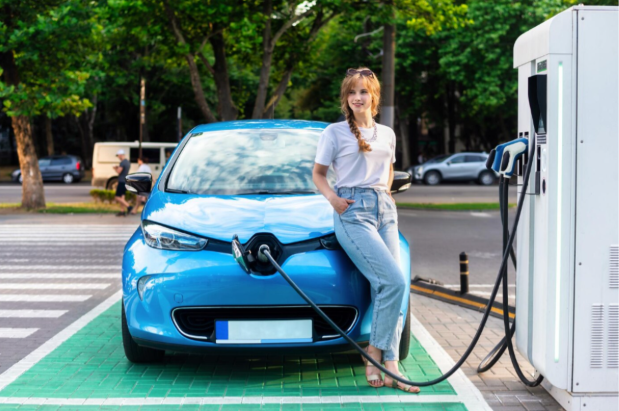
Dependable performance matters alongside payment convenience and security. Cloud-based management tools can give operators a central view of payment and charging activity across their network. That visibility can make it easier to review transactions, monitor operations, and manage payment devices from one system.
Remote management is also useful for networks spread across multiple sites. Operators can use centralized tools to review activity and respond to certain operational issues without having to visit every charging location.
Real-time information can also help operators identify problems sooner. Management tools may provide alerts or diagnostic information that helps teams understand when a payment device or charging point needs attention.
For growing networks, centralized management can make it easier to oversee payment activity across locations while keeping operational information in one place.
Charging networks tend to grow over time, adding new stations, new locations, and new drivers along the way. A flexible payment system can make it easier to add payment capabilities as an operator expands to new chargers and locations.
Centralized management can also help keep payment and reporting processes more consistent across a network. Support for different payment methods, currencies, and integration options can give operators more flexibility as their charging needs change.
A scalable system should fit both current requirements and future plans. An operator expanding from one location to several may need different tools from a business managing a larger network, so the payment system should be able to support that growth.
The goal is not simply to add more features. Each feature should contribute to easier deployment, clearer management, and a more consistent payment experience across the charging network.
| Feature | What It Offers You | Why It Matters |
|---|---|---|
| Multiple Payment Methods | Cards, contactless, mobile wallets, QR codes, and prepaid options | Gives drivers flexible ways to pay |
| Global Coverage | Support for multiple currencies and payment methods | Helps serve drivers across different markets |
| Flexible Integration | Connections with chargers and charging management platforms | Makes it easier to fit payments into existing systems |
| Cloud Management | Centralized access to payment and charging activity | Helps operators manage multiple locations |
| Security Standards | Support for relevant payment and data protection requirements | Helps protect payment and personal information |
| Scalability | Support for growing networks and changing payment needs | Helps operators expand without changing their entire approach |
Paying for an EV charge should be simple for drivers and manageable for operators. Multiple payment methods and broad market support can make charging easier to access, while flexible integration connects payment services with charging equipment and software.
Prepaid and loyalty options can support different user groups, while security standards help protect payment and personal data. Cloud-based management gives operators greater visibility across locations, and scalable systems can support network growth.
Before choosing a solution, consider your payment methods, integration needs, user groups, security requirements, management tools, and plans for future expansion.
1. What payment methods should an EV charging station support?
A good EV charging station payment system should support options such as credit and debit cards, contactless payments, mobile wallets, QR codes, and prepaid cards.
2. Can EV charging payment systems support multiple locations?
Yes, cloud-based management tools can help operators manage payment activity and charging operations across multiple locations from a central system.
3. Are EV charging payment systems secure?
EV charging payment systems should follow relevant payment and data protection standards, such as PCI DSS, to help protect payment accounts and personal data.
4. Can payment systems work with existing EV chargers?
Yes, flexible payment solutions can connect with existing charging equipment through physical, cloud, API, or OCPI-based integrations.

Get cost, timeline & technical suggestions within 24 hours.




